Insights and Analysis
AI-washing – when AI hype becomes a litigation risk


The FCC's next FM broadcast auction is coming—and history shows that preparation before the short-form filing window opens can materially impact auction outcomes.
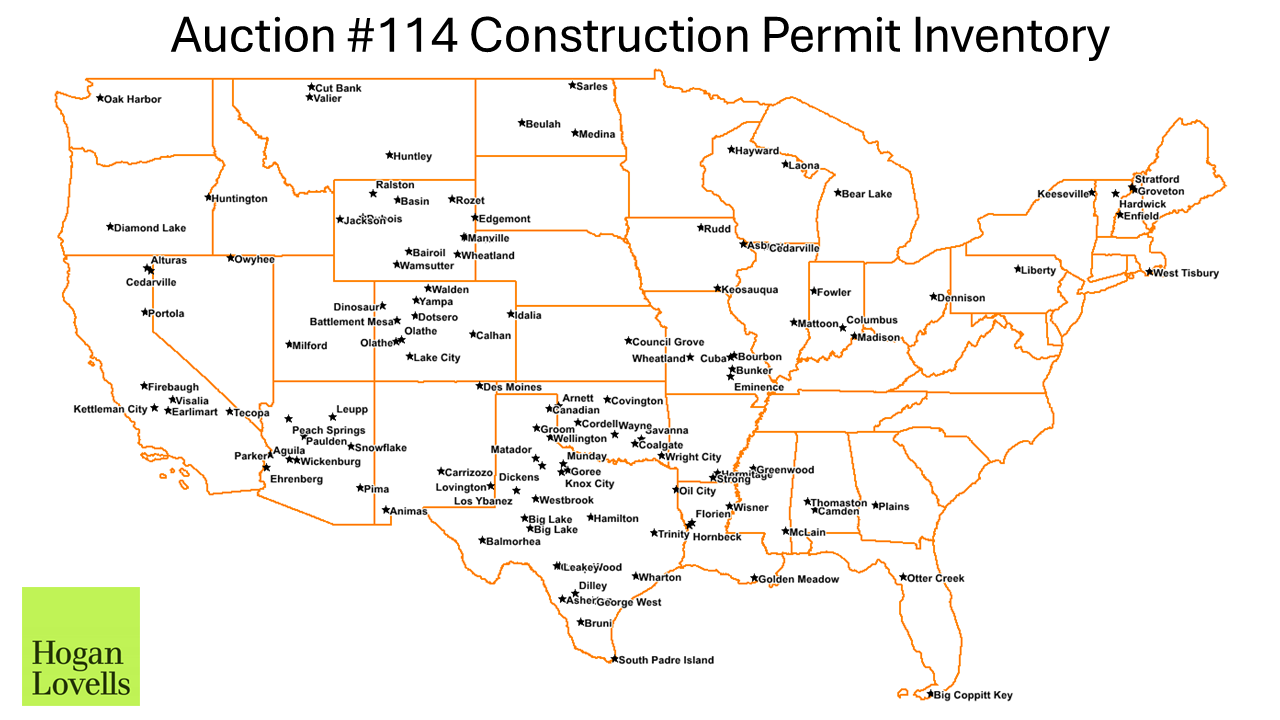
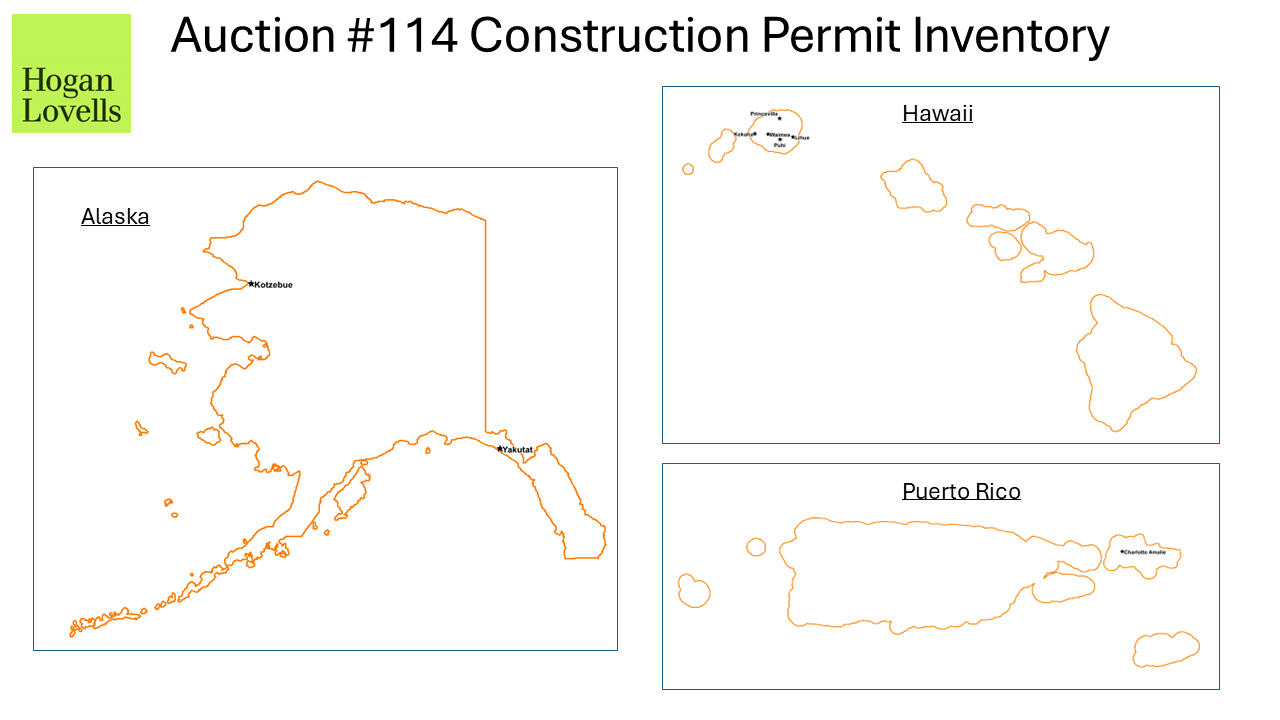
On May 11, 2026, the FCC announced Auction 114, an auction of 132 FM broadcast construction permits. The FCC has tentatively scheduled the auction to begin on February 2, 2027.
As broadcasters, investors, entrepreneurs, and spectrum-focused media companies are well-aware, FCC auctions are not mere filing exercises. Instead, they are highly strategic competitive events involving ownership attribution analyses, bidding eligibility planning, upfront payment calculations, auction pacing strategy, anti-collusion compliance, and long-term operational planning.
As the terrestrial radio market rapidly transforms and realigns in response to new technologies, evolving listener behavior, and spectrum policy shifts, the auction presents new opportunities for innovative entrants and localized service.
Past FM broadcast auctions demonstrate both the scale of opportunity and the level of competition. For example, Auction 37 (2004) drew 456 qualified bidders across 62 bidding rounds, ultimately awarding 258 construction permits and generating more than $178 million in gross bids. Though more limited in scope, Auction 70 (2007) saw 114 qualified bidders compete over 83 rounds for 111 permits, producing gross bids exceeding $24 million.
Auction strategy is not just about identifying available permits or comparing opening bid amounts. Instead, sophisticated bidders evaluate each opportunity based on population coverage, contour reach, local advertising economics, market adjacency, technical constraints, interference protections, and long-term business fit.
Further, participants in past years’ auctions should take notice of modern auction dynamics, as participation today is even more complex than in prior years. The FCC’s proposed Auction 114 procedures include anonymous bidding procedures, upfront payment eligibility structures, activity rules, waiver strategies, default payment exposure, and detailed short-form certification obligations. Effective participation therefore requires advance planning well before the FCC filing window opens, including:
Whether you are a first-time entrant evaluating opportunities, or an experienced operator preparing a broader acquisition strategy, early preparation can preserve flexibility and position bidders to act decisively once the auction begins. With Auction 114 now formally on the horizon, now is the time to begin evaluating opportunities, ownership structures, and bidding strategies.
At Hogan Lovells, our Communications, Internet & Media (CIM) team combines FCC regulatory experience with engineering, spectrum policy, and auction strategy support to help clients navigate complex competitive bidding environments.
Authored by David Fritz and Warren Kessler.